Section 1: The Present Landscape
In the world of drinks an unnoticed revolution is happening, and it’s altering how we consume our drinks. The traditional norm of alcoholic beverages dominating social gatherings is being transformed, especially in those in European Union (EU) and the United Kingdom (UK). Non-alcoholic or alcohol-free spirits are carving out a niche for themselves in the market, and their trajectory for growth is remarkable.
A booming Market
The market for alcohol-free spirits in the EU and the UK is experiencing unprecedented growth. In the past, people who didn’t drink or were looking for healthier options were only able to choose sparkling water or soft drinks that were sugary. Today, a diverse array of alcohol-free liquors fill the shelves of bars and supermarkets and caters to a discerning customer who want to be sophisticated without intoxication.
market size and trend
To understand the scope the impact of this change, let’s delve into some statistics. Recent market research has revealed it is likely that the EU as well as the UK alcohol-free spirit market is predicted to increase to a value of [bold]a.X. billion by 20XX [bold]. This growth is not an unnatural phenomenon, it’s actually a result of the evolving consumer preferences.
key players and Their Contributions
The market’s ascent owes much to the trailblazing efforts of key players like [bold]Seedlip[/bold], [bold]Borrago[/bold], and [bold]Lyre’s[/bold], among others. These brands have taken the art of creating alcohol-free spirits to new levels crafting drinks that reflect all the traditional spirit characteristics but without the alcohol and alcohol content.
Fashion and Consumer preferences as well as emerging brand names
The growth of alcohol-free spirits is directly tied to changing preferences of consumers. Today’s consumers are more health-conscious and socially conscious. They seek out drinks that go along with their ideals, and alcohol-free spirits match perfectly. Additionally, consumers are searching for innovative, tasty alternatives to traditional alcohol-based drinks.
In the wake of a surge in consumer demand and the market has exploded, many new brand names have sprung up respond to the ever-growing market. These brands are marked by originality, quality, and a steadfast commitment to the highest quality.
Some intriguing possibilities
This explosive growth, driven by the changing behavior of consumers provides exciting possibilities for businesses seeking to tap the EU as well as the UK liquor-free market. It is an enormous opportunity but, in order to realize the potential effectively, one must first understand the underlying forces for this dramatic change.
In the next chapter we’ll explore these driving forces, while analyzing the factors propelling the growth of alcohol-free spirits and the implications it means for companies trying to make it through this fascinating landscape.
In the first section in Section 1, we’ve laid out the basis with a brief overview of the current structure and the EU and UK spirits market that are alcohol-free. We’ve looked at the market’s size of players, their key roles, and the changing preferences of consumers. Now, in Section 2, we’ll investigate the main factors behind this market’s remarkable growth.
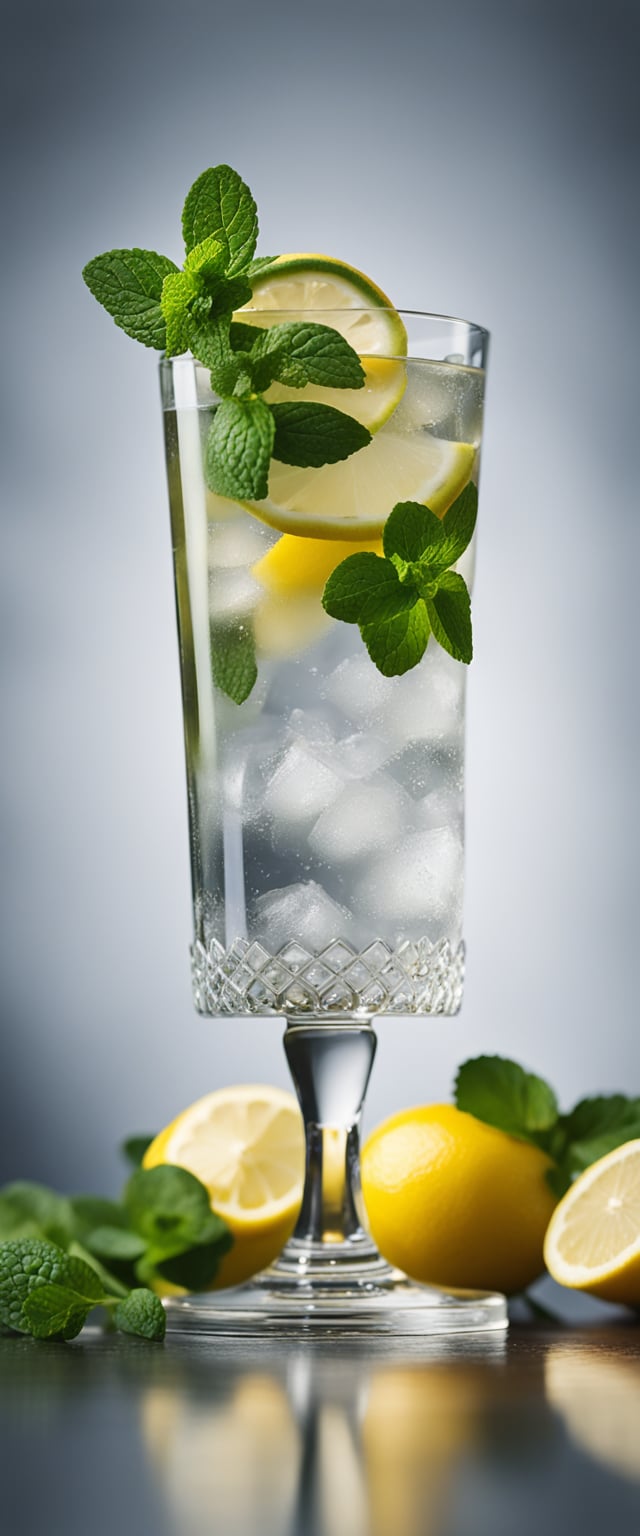
What’s driving the massive Growth of EU and UK Alcohol-Free Spirit Market?
2. Unveiling the driving Forces
In our last article we set off on an exploration of the growing world of alcohol-free spirits in and around the EU or the UK. The phenomenal growth in the market paints a clear picture of its potential. But what’s driving this evolution? In this section we’ll look into the driving forces behind this fast-growing industry.
1. Healthy and Wellbeing Trends
The boldHealth-conscious consumers are shifting their drink choices. Bold Concerns regarding the adverse effects that drinking alcohol have prompted many to seek alternatives that allow them to have a drink while not compromising their health. Alcohol-free spirits appeal to this new generation of consumers by providing consumers a healthier and more satisfying option. Words like “low ABV” (alcohol by volume) and “zero-proof” have become buzzwords in the health and fitness sphere, suggesting significant changes in consumer preferences.
2. Changing Social Dynamics
As society evolves, so do our social dynamics. The norms of heavy drinking as a central element of social events are becoming less common. People are now opting for more diverse and inclusive events. Alcohol-free spirits enable everyone to take part in the festivities without feeling left out. They provide a sense inclusivity that aligns with the contemporary ethos of socializing.
3. The Rise of Mixology and Craft Cocktails
ItalicCraft the art of mixing cocktails has taken the world by storm. Italic The art of mixology has evolved beyond alcohol drinks, with bartenders, as well as enthusiasts, exploring the creative possibilities of alcohol-free spirits. A variety of complex and delicious drinks can be created, and redefining the possibilities of cocktails. The flexibility of these drinks allows mixologists to play in a wide variety of flavors, resulting in an explosion in non-alcoholic drinks.
4. Regulatory Support
Regulations and policies of the government can play a significant role in the development of industries. Recently, regulatory authorities in both the EU and the UK have shown an openness to be accommodating and supportive of the expansion of alcohol-free spirit. This includes clearer labeling requirements, allowing these items to communicate more clearly regarding their ingredients and the benefits. This helps build trust among the consumers.
5. Environmental and ethical considerations
The quest for sustainability to consume ethically is no longer a fringe issue but is a trend that is global. Alcohol-free spirits generally align with these goals. They are produced with a reduced environmental footprint when compared with traditional spirits. They are typically vegan-friendly. A commitment to ethical practices in the source of ingredients and fair trade principles further make them more appealing.
6. Evolving Taste Preferences
Consumer palates have evolved, needing unique and different tasting experiences. Alcohol-free spirits have responded to this request with a wide range of options. From botanical-infused alternatives to alcohol-free whiskeys that imitate the smoky notes of the original Spirits that cater to an elegant taste profile. The consumer is no longer willing to compromise on flavor, and alcohol-free spirits have up to the challenge.
7. Marketing and Branding
Branding and marketing have played a crucial role in increasing awareness about spirits without alcohol. Brands that successfully communicate their products’ qualities flavor, taste, and health benefits have thrived. Marketing campaigns that are clever and savvy, as well as endorsements of influencers have attracted larger audiences, generating curiosity and boosting sales.
8. Accessibility
The accessibility to alcohol-free spirits has grown considerably. They are readily available at restaurants, bars, and even in retail stores. Online shopping platforms have also been instrumental in making these products available to shoppers, regardless of their place of purchase.
9. Competitive Pricing
The demand for alcohol has increased, and the competition has increased. This has led to competitive pricing that makes alcohol-free drinks an affordable choice for a wide range of buyers.
What’s Next?
As we’ve seen, several elements are driving the rapid expansion of the EU and UK market for alcohol-free spirits. In the next section, we will explore the opportunities and challenges firms can expect as they navigate this dynamic environment.
As we discussed in section 2 we’ve uncovered some of the factors that drive the development of alcohol-free drinks in the EU and the UK. In Section 3, we’ll explore the challenges and opportunities businesses operating in this market are likely to encounter.
Transform Your Retail Selection: Bulk Order Swedish Distillers’ Non-Alcoholic Spirits Today!
Understanding the Challenges and Opportunities of the EU and UK Alcohol-Free Spirit Market
Third Section: Road Ahead
In the previous parts We’ve examined the staggering growth and the driving forces behind this EU as well as the UK liquor-free market. It’s apparent that the industry is on the rise but what’s the next step? In this sector, we will navigate through the obstacles and opportunities businesses operating in this sector are likely to encounter.
Challenges
1. Hurdles in Regulatory Hurdles
While the support of regulatory agencies has been a driving force however, managing the ever-changing landscape of regulations can be a problem. Becoming compliant with the requirements for labeling and ensuring the responsible promotion of alcohol-free spirits is crucial. This means that businesses must stay on top of legal changes.
2. Consumer Education
Many consumers are still unfamiliar with the concept of alcohol-free spirits. Making sure potential customers are aware of the benefits, flavors, and the versatility of these drinks is crucial. Brands should invest in marketing campaigns which emphasize the advantages of their offerings.
3. Competition
As the market continues to grow as competition gets more intense. Companies must be able to differentiate themselves by constantly innovating to remain relevant. This involves developing new flavors, enhancing packaging, and looking into unique distribution channels.
4. Scaling Production
Responding to the growing demand for alcohol-free spirits can be a daunting task for small-scale producers. The ability to scale production while preserving quality is critical to keep up with market demand.
5. Perceived Taste and Quality
Overcoming the perception that alcohol-free spirits don’t have the flavor or quality associated with alcohol-based alternatives is an ongoing challenge. Brands must invest in the research and development process to produce products that match their alcohol counterparts in quality and taste.
Opportunities
1. Diverse Flavor Profiles
The demand for different flavors is a major possibility. Brands can play with the most exotic and creative ingredients to make unique and intriguing alcohol-free spirits.
2. Health and Wellness Focus
Continuously aligning with health and wellness trends offers a tremendous opportunity. Brands have the ability to leverage the beneficial health effects of alcohol-free spirit, such as reduced calories and less hangovers as part of their advertising strategies.
3. Mixology and collaborations
Collaborations with bars, restaurants and mixologists are a great way to introduce spirits that are alcohol-free to an even wider crowd. Brands are able to collaborate with experts to create delicious and interesting cocktails that are not alcoholic.
4. Sustainability
A commitment to sustainable and ethical ways of sourcing can be important selling point. People are increasingly seeking products that reflect their values.
5. Direct-to-Consumer Sales and Ecommerce
The growth of online shopping and the expansion of brands’ presence beyond the physical store. The development of a strong online presence and allowing direct sales to consumers can be an important game changer.
What’s Next?
We’ve seen that the route ahead for businesses across the EU and UK alcohol-free spirit industry is filled with challenging opportunities and challenges. In the next section, we’ll examine strategies that will help you succeed in this fast-paced environment and ensure that your brand remains ahead of the curve.
For Section 3, we’ve explored possibilities and threats facing companies in the EU and UK the alcohol-free spirits markets. In Section 4 we’ll explore strategic approaches to excel in the ever-changing world of alcohol-free spirits.

Strategies for Success with the EU and UK Alcohol-Free Spirit Market
Section 4: How to navigate the Competitive Landscape
With the EU and UK liquor-free market continue to grow and expand, it’s essential for companies to stay ahead of the competition efficiently. In this section we’ll look at strategies and best practices for ensuring your brand’s reputation is built in this ever-changing and competitive market.
1. Product Innovation
In a marketplace flooded with products, innovation is the best weapon you have. Continue to study and develop new products and flavors to draw attention of consumers. Try out unique ingredients and combinations that set your brand apart. Try incorporating herbs, botanicals and exotic fruit to create unique or memorable spirit that is alcohol-free.
Pro Tips: Conduct consumer surveys and collect feedback to learn about consumers’ preferences, expectations and needs. Utilize this information to customize your product development efforts.
2. Brand Differentiation
Being noticed in a industry requires you to have a strong brand story and a distinctive identity. Demonstrate what makes your company distinctive and the reason consumers will choose your alcohol-free beverages in preference to others. Stress your commitment to sustainability, quality, and ethical sourcing.
Pro Tips Create a brand narrative that is appealing to your customers. Use stories to tell the story of your brand’s story, its values, and the workmanship behind your products.
3. Collaborations and Partnerships
Collaborations can bring a new outlook and expand your reach. Partner with bars, restaurants and mixologists in the creation of exclusive cocktails made without alcohol that showcase your product. These partnerships can expose your brand’s image to a greater public and draw on the expertise of industry professionals.
The Protip When working with partners, ensure that your brand values are aligned with those of your co-workers by creating genuine and meaningful connections.
4. Digital marketing and e-commerce
A solid online presence is non-negotiable in today’s market. Build a user-friendly web site as well as optimize it for ecommerce. Make use of social media platforms to engage with your customers as well as share recipes for cocktails as well as run targeted ad campaigns.
Pro Tip Utilize data analytics to comprehend your online audience more effectively. Create content and marketing strategies to cater to their preferences and preferences.
5. Consumer Education
Informing consumers about the advantages and versatility in alcohol-free drinks is a key element. Create informative content through blogs, webinars, or social networks. Give virtual tastings to highlight your products. A consumer who is educated will be more likely to be able to appreciate and value your offerings.
Pro Tip Create FAQs and guides that provide answers to common consumer concerns about alcohol-free spirits. Utilize these as sources to help people make informed choices.
6. Sustainability and Ethical Practices
Today’s consumers are more conscious about the environmental impact and ethical choices. Take advantage of these principles by sourcing ingredients with care, reducing carbon footprint, and supporting charitable initiatives. Incorporate your sustainability commitment on your corporate identity.
Pro Tips Do share your sustainability goals in a transparent manner on your site as well as on social media. Transparency helps build trust with customers.
What’s Next
In Section 4 in this article, we’ve discussed important strategies for navigating the competitive landscape of the EU and UK alcohol-free spirit market. The journey doesn’t end at this point. In the following section we’ll explore the long-term growth strategies of the industry and look into the possibilities in this lucrative industry.
After completing Section 4, we’ll continue our exploration of how to navigate the EU and UK spirits market that are alcohol-free in Section 5. In the upcoming segment we’ll explore the long-term opportunities for growth and the future trends that will shape this booming industry.
Section 5: The Future of the EU and UK alcohol-free spirit Market
The journey through the vibrant the world of non-alcoholic spirits within both the EU and UK concludes with our final section. In this section, we’ll take a glimpse into the future and explore the long-term growth potential and emerging trends that are shaping the landscape of this thriving industry.
The ever-growing market for HTML0
As we’ve observed in the previous sections, the non-alcoholic spirit marketplace in EU and UK has seen exponential growth in recent years. The demand for sophisticated alternative drinks that are alcohol-free is not any longer a trend but a fundamental shift in consumer preferences. This phenomenon is poised to keep growing.
Main Drivers of Growth
There are a variety of factors that contribute to the continuing growth of market for alcohol-free spirits.
-
Health and Wellness as consumers become health-conscious, they seek alternatives that let them have mixed drinks and cocktails without the negative consequences of alcohol.
-
Innovative Product Offerings: The market is expected to see an increasing number of ingenuity and diverse alcohol-free spirits. Brands will look to explore new flavor profiles, ingredients, and production methods.
-
Mixology Culture: The rise of mixology culture as well as craft cocktail culture is fueling the demand for high-end alcohol-free spirits. Mixologists and bartenders are making intricate, non-alcoholic cocktails that are making these drinks more popular.
-
Sustainability: Sustainable and ethical practices are gaining prominence. Brands that emphasize sustainability in packaging, ingredient sourcing, and production will gain an advantage.
Consumer Education and Awareness
A future-oriented market for alcohol-free spirits hinges on consumer education. As more people become aware of the choices offered, they’ll look for information about how to incorporate spirit that is alcohol-free in cocktails accompany them with food and incorporate them into their daily lives.
FAQs Concerning Alcohol-Free Spirits
Q1 Is alcohol-free liquor truly alcohol-free?
A1: Alcohol-free spirits contain zero or an extremely low amount alcohol, generally less than 0.5 percent ABV (alcohol through volume). This means they are safe for consumption without the euphoric effects of alcohol beverages.
Q2: How can I make alcohol-free spirits work in cocktails?
A2 Alcohol-free spirits can be used as a base for cocktails, similar to traditional spirits. They’re great for classic cocktails such as Mojitos, Cosmopolitans, and Negronis. You can experiment to create unique drinks that are not alcoholic.
Q3 Do alcohol-free spirits taste like their alcohol-based counterparts?
A3 Many alcohol-free spirits seek to replicate the flavor of traditional spirits. While some come remarkably close but the taste can vary widely between brands and products. It is best to look at different possibilities to find the flavors you prefer.
What is the Role of Technology
Technology will play an integral element in the future of the industry. Online sales and e-commerce platforms will continue to grow providing consumers with a convenient alternative to drink alcohol-free. Tastes in virtual reality, experiences with brand, and personalized recommendations powered by AI will improve customer interaction.
End: Strong Future
In this series, we’ve explored the dynamic and varied landscape on the EU and UK alcohol-free spirit market. From its beginnings and the history to new product development, marketing strategies, and market’s competitive landscape, we’ve explored the complexity of this emerging sector.
In the final moments of our exploration, it’s clear that the alcohol-free spirit market isn’t just a trendy trend as such, but an evolving trend that is changing the way we think about and consume beverages. With a dedication to quality and innovation, as well as sustainability and consumer education and sustainability, brands will thrive in this dynamic market.
We thank you for taking us to explore to the realm of alcohol-free spirit. You may be a business looking for a way to differentiate yourself or a consumer looking for distinctive and satisfying options There’s a wealth of opportunities in this lucrative industry.
We hope you’ve found this information and inspiration. We look forward to the future of spirits that are alcohol-free in the EU and the UK!