In the last few years the world of drinks is experiencing a profound change. As more and more people focus on their well-being and wellness, demand for alcohol-free alternatives has soared. In the United Kingdom, this trend has taken on the form fierce competition between alcohol free spirits and traditional alcohol.
Understanding the Shift
Alcohol-free spirits (often called “non-alcoholic” or “alcohol-free” alternatives and are now becoming more popular with consumers seeking a healthier, more mindful drinking experience. These drinks are made to recreate the essence of and flavours of traditional spirits with no alcohol content.
What’s the cause of this shift in the direction of traditional spirits? It’s a mixture of factors. Health-conscious individuals are increasingly conscious of the negative effects of excessive drinking on their overall health. This has led to a surge in demand for alternatives that give the pleasure of sipping on a classic cocktail without the drawbacks of alcohol.
The Alcohol-Free Spirit Phenomenon
Defining Alcohol-Free Spirits
Alcohol-free spirits have been crafted with accuracy, mixing botanicals, spices and herbs in order to produce complex and delicious drinks. They are meticulously distilled to draw out the essence of the ingredients, delivering a premium flavor that rivals traditional spirits.
the ingredients and Process
The making of alcohol-free spirits requires a lot of process. The producers carefully choose the right botanicals, herbs, and spices, frequently sourced from across the world, in order to create an original and distinctive flavor profile. These ingredients are combined with water and distilled, creating a concentrated liquid that retains the essence of selected elements.
The rise in Popularity
In the UK the UK, alcohol-free spirits have seen a rapid rise in popularity, thanks to a wave of ingenuity within the drink industry. Leading brands have come up with various alcohol-free choices, catering to various tastes and preferences. This has made it simpler for people to move into traditional spirits their alcohol-free counterparts.
But why is it that people are opting to drink alcohol-free drinks? It’s not just about health. These drinks can be a powerful opportunity for mixologists to design amazing alcohol-free drinks. They’ve been recognized as a symbol of elegance and variety for those who want to enjoy a drink without the alcohol content.
In the next article in the next section, we’ll look into the tradition of traditional spirits and explore their rich heritage and cultural significance to the UK. We’ll also look at the main distinctions between traditional and alcohol-free spirits to help you choose the right one for the next time you drink.
Follow us while we take you on fascinating journeys through the tradition of traditional spirits as well as the alcohol-free alternative.

Traditional Spirits: a Glimpse of the British’s Liquid History
In the picturesque pubs, cozy bars, and elegant cocktail lounges in the United Kingdom, traditional spirits have long been a cherished part of the nation’s culture and history. If they are sipped straight, or blended in classic drinks, the time-honored liquors have a lengthy tradition that dates back centuries.
Legacy of Traditional Spirits: The Legacy of Traditional Spirits
A Whiskey Tale
Most well-known and adored whiskies is the traditional whiskey. Whiskey is also known as “whisky” within the UK. Scotch whisky particularly has gained international recognition for its rich taste and time-tested craft. The earliest traces of Scotch whisky go as early as the 15th century, which makes it among the oldest distilled beverages in the world.
Gin from Medizin to Mixology
Gin, another well-loved traditional spirit, has a rich past in UK. It was created originally for medicinal uses however, it became extremely popular in the 18th century, when it became the foundation for popular cocktails, such as the Gin and Tonic. The spirit with juniper in it has become a cornerstone of mixology, offering a diverse assortment of herbal flavors to explore.
“The Art of Distillation
The Distillation Process
Traditional spirits such as vodka, whiskey, gin and rum are created through a meticulous process known as distillation. This process involves heating a fermented liquid to make vapor and then cooling it down to condense liquid back into its liquid form. The result is a concentrated, alcoholic spirit that retains the unique flavours of the ingredients that were that are used in the process of fermentation.
The role of aging
The process of ageing is one of the key aspects of the production process for traditional spirits, especially whiskey. The whiskey is usually aged in wooden barrels often oak, for several years. It undergoes chemical changes, giving complex flavors, aromas and a smooth, even finish.
Tradition meets innovation
While traditional spirits still hold some special place in hearts of a large portion of UK citizens, the drinking landscape is changing. The emergence of alcohol-free spirits has brought a new dimension to the world of beverages and is challenging the established notions of what a spirit can be.
In the next segment we’ll look at the key distinctions between alcohol-free spirits and their more traditional counterparts. We’ll explore the flavor profiles in addition to the health aspects that distinguish them. You may be a devoted fan of traditional spirits or are a naive newcomer, knowing these distinctions can help you make informed choices about what to sip on your next adventure.
Join us as we travel the fascinating crossroads of traditional and innovation in the world of spirits. In Section 3, we’ll take a look at the fascinating spirit world that is alcohol free in the UK.
Wholesale Opportunities Await: Order Direct from Swedish Distillers for Premium Non-Alcoholic Spirits!
Believing in the Alcohol-Free Revolution: Spirits for the Next Generation
With the setting sun over the UK’s bustling cityscapes and tranquil countryside, there is a tidal shift is taking place across the globe of spirits. Although traditional spirits such as Gin and whiskey have long been the top choice of popular British nightlife, a fresh contender is emerging, ready to transform the landscape – alcohol-free spirits.
A Refreshing Change in Perspective
Sobriety Movement Sobriety Movement
In recent times, the movement to sobriety is growing in the UK and around the world. People are increasingly seeking alternatives for drinking alcohol, which permit individuals to enjoy the excitement of social gatherings, without the consequences of alcohol. This shift in cultural norms has paved to allow for rise in alcohol-free spirit.
The Answer to a Question of Health
The health-conscious consumer is also driving the demand for alcohol-free options. A lot of people are worried about negative health consequences of excessive alcohol consumption, such as problems with the liver as well as a higher risk of developing certain diseases. Alcohol-free spirits give you the opportunity to enjoy the taste and rites of drinking, without the health risks.
Uncovering the world of alcohol-free Spirits
Flavorful Alternatives
Alcohol-free spirits, commonly called “spirits alternatives” as well as “non-alcoholic spirits,” are created to emulate the complex flavor profiles of traditional spirits. No matter if you’re looking for the smokey flavor of whiskey, distinctive botanical flavor of gin or the richness of liquor, there’s an option that will satisfy your tastes.
Blends of Botanicals
Many alcohol-free spirits are created by mixing different spice, herbs and even fruits. The ingredients carefully chosen are macerated or distillated in order to extract their distinct flavors which result in a liquor that embodies the essence of traditional spirits.
Null Proof Full Experience
One of the most compelling benefits of alcohol-free spirits their capacity to provide full sensory experience without the harmful effects of alcohol. It’s possible to experience the smell tasting, the flavour, and some of the subtle burn that comes with a crafty alcohol-free spirit while staying sober.
Mixing and Matching The Versatility of Alcohol-Free Spirits
Cocktail Creativity
One of the best aspects of spirits that are alcohol free is their versatility in mixology. As with their alcohol-based counterparts they are able to be used in the creation of a wide range of cocktails. From alcohol-free gin cocktails to virgin G&Ts, the options are limitless.
Pairing Possibilities
Alcohol-free spirits can also be paired with mixers of various types, allowing you to make sophisticated and refreshing beverages. You can choose between Tonic water, soda or even fresh fruit juices there’s an alcohol-free drink combination that will delight your taste buds.
A look at the Future of Drinking
In a moment when we look forward to the exciting world of alcohol-free spirits, it’s evident that they’re not an unnoticed trend, but fundamentally changing the way we think about drinking. When you’re looking to be sober, making health a priority, or simply trying new flavours and flavors, alcohol-free spirits can provide an inclusive and vibrant drinking experience.
In the following section we’ll discuss how alcohol-free spirits stand up to their counterparts from the past. We’ll delve into the key distinctions in flavor, ingredients and consumption, assisting you make informed decisions regarding the type of spirit you’d like to drink.
Join us as we embark on a journey of taste that creates a bridge between traditional and modern. In the fourth section we’ll discuss the differences between alcohol-free spirits with traditional spirits, highlighting the distinct advantages and attributes.
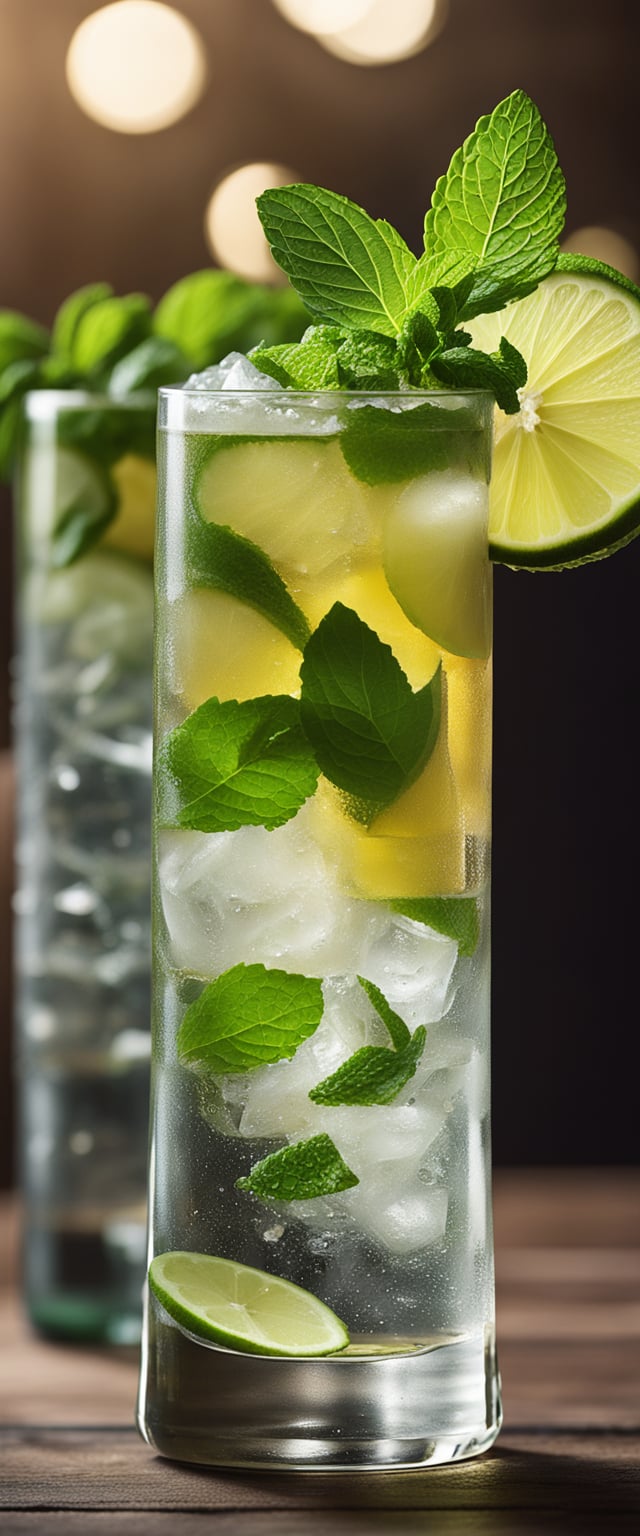
A Taste Showdown An Alcohol-Free Taste Showdown Spirits Versus. Traditional Spirits
In the constantly evolving world of drinks, a fascinating rivalry is being played out involving alcohol-free spirit in comparison to. classic spirits. As people seek alternatives to traditional alcoholic drinks, alcohol-free spirits have emerged as a viable candidate. In this section this article, we’ll review the key differences between these two categories. We’ll look at the flavor profiles of the ingredients and entire drinking experience.
Flavor: A Symphony of Tastes
Alcohol-Free Spirits
In terms of flavor, alcohol-free spirits are crafted to please. These alternatives to spirits boast many different profiles that can be adapted to different preferences. There are non-alcoholic options that imitate the rich, smoky flavors that whiskey has, or the floral sophistication of gin and the caramel-sweet undertones of the rum.
Bold Botanicals
A lot of alcohol-free spirits depend on botanical components like coriander and juniper as well as citrus peels to achieve their unique flavors. These plants are carefully selected and macerated or distilled in order to create complex flavor profiles, ensuring that each taste is enjoyable.
Traditional Spirits
The traditional spirits of the past have ruled at the top of flavor. Whiskey, vodka, gin Rum, whisky, and other classics have become standard ingredients in mixology. The flavors they produce are the result of complex distillation processes, maturation in barrels and a meticulous selection of ingredients.
Old-Elegance
Traditional spirits often benefit from aging in wooden barrels, which creates distinct flavors. Whiskey, as an example, has its distinctive flavor due to interactions between spirits and the wood. The process of aging leads to the development of flavors that may include notes of vanilla, caramel, and oak.
Ingredients: Crafting Complexity
Alcohol-Free Spirits
Making alcohol-free spirits is an art which relies on botanical proficiency. Producers and distillers choose an enticing blend of botanicals spice, herbs, and fruits in order to create an enticing and balanced liquid. The ingredients are transformed using a variety of methods that extract the essence, all without the use of alcohol.
Traditional Spirits
Traditional spirits come with a clearly defined number of ingredients. For example whiskey is created from fermented mash of grain as its primary botanical is the juniper. The process of traditional distillation lies in the process of distillation in which alcohol is the most important ingredient.
Consumption: A Sobering Experience
Alcohol-Free Spirits
One of the most notable benefits of alcohol-free spirits is their capability to offer a complete sensory experience without the effects of alcohol. You can savor the aroma as well as the flavor and the slight burn of a properly-crafted alcohol-free spirit while maintaining complete sobriety. This makes them an appealing option for those seeking to take pleasure in the act of drinking without the disadvantages of intoxication.
Traditional Spirits
Traditional spirit, just as their names suggest, contain alcohol. Although they provide a wide and diverse flavor spectrum They also carry the effects of alcohol consumption including impairment, intoxication, as well as the possibility of health hazards.
An Evolutionary shift in drinking habits
As we compare the alcohol-free spirits with their conventional counterparts, it becomes clear that each category has its distinct advantages and attributes. Alcohol-free spirits are a welcoming and exciting drinking experience catering to the preferences of those looking to maintain their sobriety and are committed to their health or simply want to experience new flavors.
In the coming sections we’ll explore the practicalities in incorporating non-alcoholic spirits in your daily life. From creating tasty cocktails to enjoying them as an individual sipper in the coming section, we’ll examine the variety and creative possibilities they offer in the field of drinks.
Now that we’ve explored the taste, ingredients, and consumption of alcohol-free spirits as opposed to. conventional spirits let’s move to Section 5 in which we’ll furnish you with helpful tips and recipes for enjoying drinks that are alcohol free in various ways.
Mastering the Art of Enjoying Alcohol-Free Spirits
Welcome to the finale of our five-part series on alcohol-free spirits or. traditional spirits. In the earlier sections we’ve explored the nuance of taste, ingredients, as well as the overall drinking experience in both categories. In Section 5, we’ll embark in a search to find the practical and delightful aspects in incorporating non-alcoholic spirits in your everyday life.
Achieving Crafted Cocktails A World of Possibilities
Designing the Perfect Mocktail
One of the joys of Spirits without alcohol can be enjoyed because of their ability to mix in a variety of ways. It doesn’t matter if you’re hosting an event or just unwinding from a long day, it’s possible to can utilize alcohol-free spirits for the basis for a wide range of exquisite mocktails. Here are some suggestions to get you to get started:
-
Citrus Bliss: Mix alcohol-free gin, the fresh juice of a lime, syrup made from elderflower, as well as a splash of soda water for a zesty and refreshing mix.
-
Minty Elegance: Mix rum that is alcohol-free with mint leaves muddled, lime juice, and one teaspoon of simple syrup to create the perfect mock mojito that’s packed with flavor.
-
Berry Breeze: Blend alcohol-free vodka with mixed berries, cranberry juice, and a hint of agave nectar. The result is refreshing and fruity flavored mocktail.
Enhancing Classic Cocktails
You don’t have to forego classic cocktails by choosing spirits that are alcohol-free. With a little creativity, you can re-create your favorites that are alcohol-free:
-
Virgin Martini: Make a swap of vodka or traditional gin with alcohol-free gin. Add some drops of vermouth, then garnish with the lemon twist or olive for a sophisticated mock martini.
-
A Nojito It is a mojito without alcohol. substitutes alcohol-free rum for rum giving a crisp and refreshing rendition of the original.
Sipping In Style: Pretty and on the rocks
Alcohol-free spirits aren’t only for mixing, they’re designed to be drunk. Pour them into a glass and take them in a glass, just as you would traditional spirits. Here are some popular choices for drinking alcohol-free spirits:
-
Alcohol-Free Whiskey: Drink it slowly and enjoy the complex flavors of traditional whiskey, minus the alcohol.
-
Gin Options: Explore the floral elegance of gin made without alcohol by drinking it neat or over an ice cube, garnished with favourite plants.
-
Rum Substitutes: Explore the rich and sweet flavors of alcohol-free rum. It can be enjoyed on its own or used to create tropical-inspired mocktails.
frequently asked questions about Alcohol-Free Spirits
Q1: Can I mix spirits made without alcohol for cocktails?
Absolutely! Mixing alcohol-free spirits with traditional spirits can give unique flavor profiles as well as reduce the amount of alcohol in your drink.
Q2 Do alcohol-free drinks work for people who are in recovery?
Yes, alcohol-free spirits make an the ideal choice for people in recovery because they give the same taste and experience as spirits without the alcohol content.
Q3 Are spirits without alcohol lower in calories than traditional spirits?
In general, alcohol-free spirits tend to be lower in calories in comparison to their alcoholic counterparts. However the exact calories count will vary according to the brand and type and type.
Conclusion: The World of Spirits that are Alcohol-Free Spirits is waiting to be discovered.
In this comprehensive series, we’ve explored the fascinating world of alcohol-free spirits. In this series, we’ve compared the traditional spirits regards to taste, ingredients as well as consumption and use. It’s apparent that alcohol-free spirits are not just trends – they’re an innovative and inclusive approach to drinking.
No matter if you prefer alcohol-free spirits for health reasons or to live the sober lifestyle or simply to broaden the choices for your beverages There is a plethora of possibilities. From making sophisticated mocktails or sipping them neat or in a glass The choice is yours.
As you embark upon your adventure of discovering alcohol-free spirits, remember to savor the flavours, try mixology, and embrace the fun of drinking alcohol-free. We wish you a lively and inclusive world of beverages!
For a return visit to any chapter of this collection or to dig deeper into the topics discussed Click on the hyperlinks below:
-
Section 1: The Fundamentals in Alcohol Free Spirits
-
Section 2: Crafting Alcohol-Free Spirits
-
Section 3 The Rise of Alcohol-Free Spirit Brands
-
Section 4: Flavorful Experiences Savouring Alcohol-Free Spirits
We thank you for taking part as we explore spirits that are alcohol-free. We hope you’ve found this collection interesting and educational. When you step into to the lovely world of alcohol-free drinks can you find delight, innovation, and celebration.