In the ever-evolving world of drinks, a fresh player has emerged – alcohol-free spirits. The innovative cocktails have seen significant growth in recent years, with consumers increasingly opting for alcohol-free alternatives. This comprehensive study of the market for alcohol-free spirits focusing on the current state and the future trends in EU and the UK. Be ready as we embark on a trip through the exciting world of.
The Growing Popularity of Alcohol-Free Spirits
The Numbers Don’t be deceived!
We must first take time to consider the immense size of the growing market. It is evident that in both the EU and UK, the demand for alcohol-free spirits is increasing. In 2022, the market was valued at an astounding X billion. Experts predict the market will continue to rise on its ascending trend and reach a billion in 2025.
Consumer Preferences Redefined
What is the reason for this astronomical rise? The key to the answer lies in shifting consumer tastes. Health-consciousness and a desire for less alcohol have pushed people to look for alternatives traditional alcoholic beverages. Alcohol-free spirits have emerged as an obvious victory in meeting these ever-changing expectations.
A Peep into the Brands
In this landscape, several brands have made substantial headway. Names like “Spirito” and “Elixiria” have seized market share with their diverse assortment of alcohol-free spirit products. Spirito’s fragrant botanical blends and Elixiria’s elixirs infused with fruits have become known names and a testament to how the industry can create attractive alternatives.
Navigating Regulatory Seas
How to Understand the Rules
Before you dive deeper, it’s vital to navigate the waters of alcohol-free spirits. If you’re in EU and UK these spirits are subjected to specific regulations that separate them from traditional alcohol-based beverages. It is crucial to know these regulations to businesses in this area.
Coding and Composition
A major aspect of regulation is the issue of labeling and composition. Alcohol-free spirits must be clearly stating their alcohol content. Typically, it is below 0.5% ABV (alcohol per volume). In compliance with these guidelines, you can ensure clarity and helps consumers make informed decisions.
Marketing and branding
In addition, branding and marketing of alcohol-free spirits ought not to cause confusion among consumers. Finding a balance between marketing it as an alternative to alcoholic spirits, and distinguishing it as a distinct offering is vital.
Now that we’ve navigated through the market landscape and regulatory complexities, let’s get deeper into the world of alcohol-free spirits. In the following section, we’ll examine some of the fascinating market trends as well as emerging patterns that are shaping the dynamic industry. Begin this journey of health and wellness, the latest trends in innovation and the exciting prospects of alcohol-free spirit.
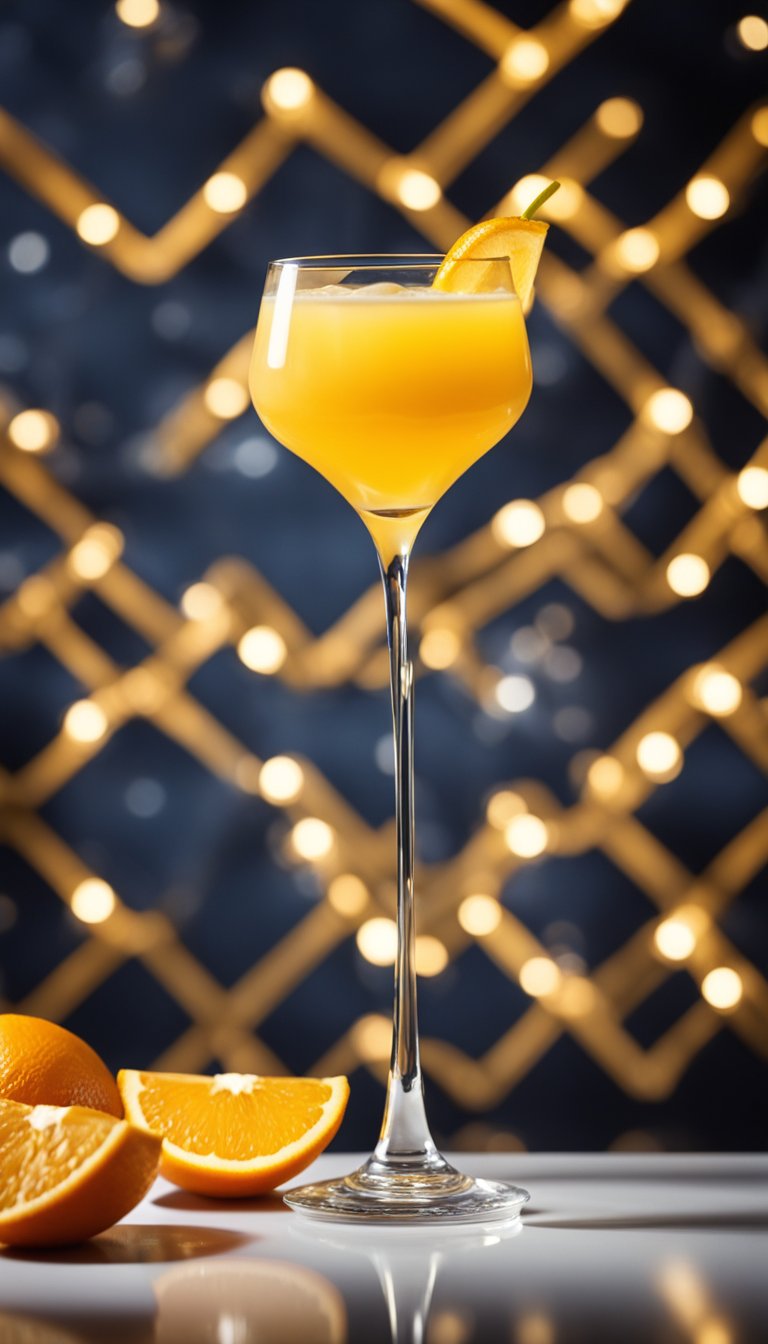
Sips of Innovation: Emerging Trends in the Alcohol Free Spirit Market
Once we’ve laid base by understanding the liquor-free spirit market’s condition today then let’s start looking towards the future. In this section we’ll dive in the emerging trends that influence the EU and UK industry of alcohol-free spirits. Be sure to buckle up as we take a trip through innovation, sustainability, and shifting consumer preferences.
Innovation Takes Center Stage
Beyond the Mocktail
The days of mundane mocktails are over. One of the most striking trends of the alcohol-free spirit market is the relentless pursuit of innovation. These brands push the limits of flavor profiles, using exotic botanicals, and utilizing sophisticated distillation techniques for creating spirits without alcohol that can compete with their alcohol-based counterparts.
Aromatic Complexity
To be the first to go are brands such as “AromaCraft” or “InfiniFlavor,” known for their complex flavor profiles. From smoky tones that are reminiscent of aged whiskey, to the zesty taste of a gin-inspired spirit These products demonstrate the skill of alcohol-free spirit making.
The Invention of Limited Editions
Another exciting element of innovation is the emergence of limited-edition alcohol-free spirits. Brands are playing around with limited-edition releases, working with master mixologists from around the world, and mixing exotic ingredients to create sensational offerings.
Sustainability and Eco-friendly Choices
From Field to Bottle
As consumers become increasingly eco-conscious and conscious of their environmental footprint, sustainability has become a central theme in the alcohol-free spirit market. Some brands are placing an importance on the responsible source of ingredients and packaging that is eco-friendly. “EcoSip” as well as “GreenHarvest” are two prime examples of companies committed sustainability. They utilize organic, ethically sourced materials and recyclable packaging.
Reduced carbon footprints
It is important to reduce carbon footprints as a necessity. Certain brands are now adopting carbon neutral manufacturing processes, offset emissions and implementing more environmentally responsible practices. These initiatives are popular with buyers looking for products that align with their values.
To meet the needs of a variety of consumers
Uncertainty of Choices Spectrum of Choices
One of the most impressive aspects of the alcohol-free spirit market is the ability to cater to diverse consumer wants. It’s no longer a one-size-fits-all situation. Brands understand that people have different tastes and specific dietary requirements.
Sugar-Free, Gluten-Free, and Beyond
Gluten-free sugar-free and alcohol-free beverages that are not allergen-free are easily available. Brands such as “PureTaste” along with “FreeFlow” are experts at crafting spirits that meet specific needs of dietary restrictions, making sure that no one is left out of the alcohol-free experience.
As we sail across the creative waters and study the sustainability of the market for alcohol-free spirits it’s evident that the industry is rapidly changing to meet the needs of consumers. But the story doesn’t end here. In the next part we’ll examine the consumer patterns that are setting the course for this particular market. You’re now ready to explore the intricate details of consumer choices and their preferences.
Leading Quality, Direct Connection: Order Your Alcohol-Free Spirits from Swedish Distillers Today!
Becoming a Consumer: Understanding Preferences and Trends
As we’ve explored the ever-changing world of alcohol-free spirits, we’ve examined industry’s current status as well as marveled at the ingenuous strategies. Now, it’s time to focus our attention on the main driver of this shift in the industry: consumer behavior. Knowing what consumers are looking for and the factors that influence their decision-making is vital for brands hoping to make a mark within the EU and UK alcohol-free spirit market.
The Multifaceted Consumer
The Health-Conscious Consumer
One of the most noticeable changes in the behavior of consumers is the increasing health consciousness. An increasing number of people are choosing to drink alcohol-free spirits in order to indulge in the tradition of a cocktail without the negative health effects of alcohol. These people are concerned with health and well-being for both their bodies and minds and tend to gravitate towards spirits that offer beneficial natural ingredients as well as wellness benefits.
Culinary Explorer Culinary Explorer
The alcohol-free spirit market has also attracted culinary lovers who appreciate the art of mixing. They are seeking out complex flavor profiles and unique botanical blends to enhance the enjoyment of drinking. Alcohol-free spirits are the perfect canvas for experimenting with cocktails in a creative way.
The Social Connector
Humans, as social beings, possess a deep desire for connection with others. Alcohol-free drinkers have some special status among those who want to be part of gatherings that are not influenced by alcohol’s influence. The segment is a fan of the social aspect that drinking drinks bring and the possibility of enjoying sophisticated drinks without hangover.
Consumer Behavior Trends
The Online Discovery Program and Purchasing
The digital age has transformed how people search for and purchase alcohol-free spirits. Online platforms, from e-commerce websites to social media, play an essential role in shaping the consumer’s choices. Brands that effectively leverage online channels to promote their marketing and sells are more likely to succeed.
Transparency as well as Authenticity
Consumers are demanding more transparency and honesty from their brands. They are looking for information on where the ingredients come from as well as the processes used to make products, and the values the brand adheres to. The authenticity of a brand and its commitment to sustainable practices are a big hit with today’s consumer.
The Role in Reviews as well as Recommendations
Reviews and recommendations, whether from family members or online influencers can carry great weight in an alcohol-free spirit market. Positive reviews and endorsements from experts could influence the choices of consumers. Brands should engage the customers they serve and encourage honest feedback.
Sustainability as an important driver
Sustainability is no longer a niche concern; it’s a mainstream driver of consumer behavior. Companies that embrace eco-friendly practices and show social responsibility are poised to attract consumers who align with these ideals.
What’s next
As we navigate through the murky waters of consumer behavior trends there is no doubt that the alcohol-free spirit market isn’t just about the contents in the bottle but also about the beliefs and experiences it represents. In the next section, we’ll unveil our strategies as well as tactics brands employ to cater to these various consumer demands. Prepare to learn the strategies that are bringing brands to the top of this fast-growing industry.
Making it Work: Strategies for Alcohol-Free Spirit Brands
In the ever-changing landscape in the world of non-alcoholic spirits, businesses are developing success stories by understanding consumer behavior and making the most of new trends. With consumers seeking healthier, more sophisticated, and more connected with their social networks, brands that are alcohol-free must utilize the best strategies to be noticed on the market. In this article we’ll look at the strategies that successful brands use and will help you navigate a road to success within the EU and UK alcohol-free spirit market.
Strategy 1: Diverse Flavor Profiles
Bold and diverse Botanicals
Brands with a strong reputation are the development of complex flavor profiles to cater to different preferences. They’re using a wide array of botanicals, each selected by their distinctive contribution to the overall flavor. This means that customers can find alcohol-free spirits that suit their palate no matter if they prefer something bright and refreshing or sweet and spicy.
Limited Editions and Seasonal Releases
Unique limited editions as well as seasonal releases create anticipation and excitement among consumers. These releases are often a showcase of creative flavor combinations or highlight the season’s ingredients, giving customers with a reason to test something new.
Strategy 2 Mixology and Collaborations
Collaborations Mixologists
Working with world-renowned mixologists is an effective marketing strategy for businesses. Mixologists can craft signature cocktails and recipes that emphasize the distinctive flavors of alcohol-free spirits. Their expertise is a source of credibility for the brand and opens up new avenues of mixology.
Cocktail Recipe Collections
Many successful alcohol-free spirit brands offer cocktail recipes. These collections spark people to think outside the box and allow them to explore new mixers, garnishes and style of presentation. Sharing these recipes on websites and social media enhances the level of engagement with brands.
Strategy 3: Eco-Friendly and Sustainable Methods
Sustainable Sourcing
Companies are increasingly adopting environmentally friendly practices, from sourcing the right plants to reduce their carbon footprint. Consumers are drawn towards brands which promote sustainability that is why sustainability has become a significant selling point.
Eco-friendly Packaging
Eco-friendly packaging is yet another trend that resonates with environmentally conscious consumers. Companies are looking at innovative packages that’s recyclable, biodegradable or even recyclable. Beautiful, eco-friendly packaging is able to help a brand stand out on the shelf and in the minds of consumers.
Strategic 4: Engaging with Communities
Online Communities
Successful brands foster communities on the internet where people can connect, share experiences, and exchange ideas. These communities allow for customers to share their opinions on cocktail recipes reviews, as well as creative applications of alcohol-free spirits.
User Feedback on the Consumer and iteration
Brands continuously seek out and respond to feedback from customers. This approach is a way for companies to develop their product as well as their marketing strategies based on real-world input. It also displays a dedication to meeting consumer needs.
Strategy 5: Innovative Marketing
Storytelling and Brand Values
Effective storytelling allows brands to communicate with customers on a higher level. They are sharing their stories in their values, beliefs, and commitment to sustainability and wellness. They employ storytelling in order to communicate their authentic brand identity and character.
Partnering with Influencers
Collaborations with influential people who align with the brand’s ideals and the target market can increase the brand’s reach. Influencers usually create captivating content that promotes the brand’s products in a variety of contexts.
What’s Next
When we learn about the strategies that are creating success in the alcohol-free spirit market, we’re ready to explore the final section of our exploration to look into the future. In the next part we’ll take a look at the horizon and explore the forecasts and trends that are likely to shape our understanding of the EU and UK market for alcohol-free spirits in the years ahead.

The future of alcohol-free Spirits with Predictions and Trends
As we close our trek throughout the lands of alcohol-free spirits, we gaze towards the horizon, exploring some of the most exciting trends and predictions that are likely to change both the EU and UK market for alcohol-free spirits over the next decade. The experience has been instructive, taking us through diverse aspects of this fast-growing industry that spans its beginnings to the strategies that leading brands are employing for success. So, let’s take off on an exploration into the future.
“The alcohol-free spirit movement Keeps Going
New Formulations
The market for alcohol-free spirits will witness a surge of new formulations. Brands will challenge the boundaries and experiment with exotic botanicals along with new flavors and innovative techniques to recreate the richness and complexity of alcohol-based spirits. Expect to find spirits that are a bit different from the norm and entice the palate.
Health and Wellness Integration
A growing demand from consumers for wellbeing and health will propel the development of alcohol-free spirits that offer functional benefits. Brands will infuse their product in the form of adaptogens or vitamins, and other healthy ingredients. The spirits will not just provide an alternative to drinking alcohol, but also provide consumers who want drinks that boost their health and well-being.
Personalized Experiences
Personalization will become a main element. Brands will use technology to create bespoke alcohol-free spirit experiences. From customizable flavor profiles, to on-demand cocktail recommendations, consumers will have more control over their drinks than ever before.
Sustainability is at the center of attention
Circular Economy practices
Sustainability will remain a central goal. Brands will be implementing circular economies, which ensures that production processes limit waste and environmental impact. Production, sourcing, and packaging will be designed with sustainability in mind, appealing to eco-conscious consumers.
Carbon-Neutral Spirits
Brands will pledge to reach carbon neutrality. It is a way to offset the carbon emissions produced throughout the entire life-cycle of the product. Carbon neutral spirits will appeal to consumers worried about climate change as well as environmental conservation.
The rise of E-Commerce and DTC Models
Direct-to-Consumer (DTC) Dominance
Digital commerce as well as DTC models will continue to flourish. Brands selling alcohol-free spirits will invest into user-friendly online platforms, making it simpler for consumers to find, buy, and connect with their brands directly. The convenience of DTC shopping will help drive sales growth.
Virtual Tastings and Experiments
Virtual tastings and immersive virtual experiences on the internet will soon be standard. Brands will organize virtual events, allowing consumers access to their products from inside their own homes. This will build consumer connections and foster brand loyalty.
New Regulations and Acceptance
Clearer Labeling Standards
Organising bodies for regulation will establish specific standards for the labeling of alcohol-free spirits. This will ensure transparency and helping consumers make informed choices. Standardized terminology can eliminate confusion regarding alcohol content.
Wider Acceptance
Alcohol-free spirits will gain broader acceptance in bars, restaurants and other social venues. Mixologists will incorporate them into their menus and offer a wider range of non-alcoholic drinks. The stigma of abstaining from alcohol will be diminished.
A Recap of Our Journey
As we draw our saga into the EU and UK alcohol-free spirit market to a close Let’s take a moment to reminisce about the interesting journey we’ve traveled on:
-
Learning about the Market: We began by making a clear understanding of the market for alcohol-free spirits as well as its past and its rapid expansion.
-
crafting strategies for success Then we delved into the strategies employed by brands that have succeeded, such as various flavor profiles, collaborations as well as sustainability, community engagement, and innovative marketing.
-
The Future Is Here: In this section, we’ve delved through the lens of a crystal and explored the trends and predictions that will influence the future of this thriving industry.
In the end it is clear that this EU as well as the UK spirits market that is alcohol free are on upswing, fueled by sustainable development, innovation and evolving consumer preferences. Brands that are able to embrace these trends and change to the changing market are primed to thrive in this fast-growing market.
Thank you for taking part along this path. As we look towards the next phase of non-alcoholic spirits can your glasses become full of the endless possibilities of this fascinating industry.